
Navigating Real Estate in 2026: Is Abuja Still Nigeria’s Safest Inflation Hedge?
Analysing Abuja real estate in 2026. Is the FCT still the safest hedge against inflation? Insights from Aadum & Co, Abuja real estate inflation hedge. Chartered Surveyors with 24 years of data.
By Aadum and Company | Chartered Estate Surveyors & Valuers | Est. 2002
3/26/20263 min read
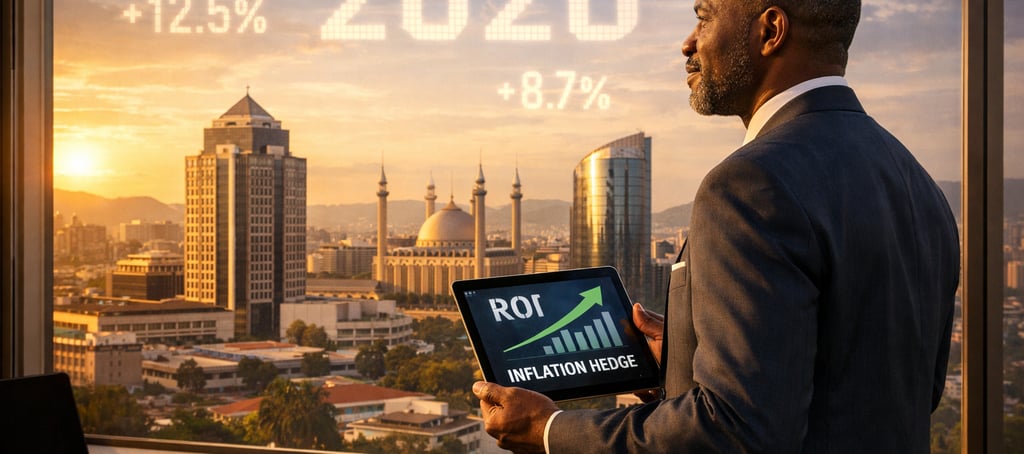

We are well into 2026, and the conversation in Nigerian boardrooms and living rooms remains identical to the one we had a decade ago: "How do I protect my Naira?" With inflation continuing to exert pressure on monetary assets, the rush for a secure "store of value" has intensified.
For decades, Nigerian real estate, particularly in the Federal Capital Territory (FCT), has been touted as the ultimate inflation hedge. But as we navigate the economic landscape of 2026, investors are asking a tougher question: Is Abuja still the safest bet?
At Aadum and Company, we have watched this city grow from our offices in the Nicon Insurance Building since 2002. We have seen recession-proof districts emerge and bubble markets burst. Our perspective is not born of speculation, but of 24 years of Chartered Valuation data.
The Macro View: What is an Inflation Hedge? Simply put, an inflation hedge is an asset that is expected to retain or increase its value over time, outperforming the decline in the purchasing power of the currency. Historically, land and landed property have done this because their supply is fixed, while demand—driven by population and urbanization—is infinite.
In Nigeria, where currency volatility is a constant, real estate provides a unique double advantage: Capital Appreciation (the increase in the property’s price) and Rental Yield (the income it generates).
Why Abuja 2026 is Unique Abuja is not Lagos, and it is not Port Harcourt. It is Nigeria’s administrative heart. While other cities may offer higher, faster rental yields in specific niches (like short-lets), Abuja offers something far more valuable to the conservative investor: Stability.
The Administrative Moat: As long as the Federal Government operates from the FCT, there will be a baseline demand for high-quality residential and commercial space from civil servants, diplomats, NGOs, and corporate headquarters.
Infrastructure Continuity: Abuja benefits from a level of federal infrastructure spending and maintenance that is unmatched elsewhere. A well-maintained city sustains property values.
AGIS and Title Security: The Abuja Geographic Information Systems (AGIS), though sometimes complex to navigate, provides a level of digital title recertification and transparency that mitigates the title-fraud disasters common in other states. (Assuming, of course, you use a Chartered Surveyor for due diligence).
The Data: Capital vs. Rental (The 24-Year View) Twenty-four years of valuation reports have shown us a clear trend. The primary driver of real estate value in Abuja is Capital Appreciation, not rental yield.
In 2026, an apartment in Maitama or Asokoro might only deliver a 3-5% rental yield, which does not outpace inflation. However, the land that apartment stands on appreciates at a rate that consistently equals or beats inflation, especially when measured in real, long-term terms. The rental income is simply the "cherry on top" that covers maintenance.
The Emerging 2026 Hotspots The question isn't "Should I invest in Abuja?" but "Where in Abuja?"
Established (Phase 1): Maitama and Wuse remain gold-standard stores of wealth, but their high entry price limits rapid appreciation. They are now "preservation assets."
High-Growth (Phases 2 & 3): This is where we see the aggressive inflation protection. Districts like Guzape, Jahi, and Dakibiyu are seeing significant appreciation as infrastructure catches up with demand.
The Fringe Potential: For long-term hedges (10+ years), strategic acquisitions in Abuja’s satellite towns and expansion phases are yielding impressive results for those who bought based on data, not rumors.
The Caveats: It’s Only a Hedge if it’s Real Real estate is not a magic hedge. It is only an effective hedge if it is legitimate, productive, and maintainable. The biggest traps in 2026 are:
Unverified Titles: Buying land from unregulated "agents" without AGIS verification is a 100% loss, not a hedge.
Neglected Assets: A property without a professional management plan decays, destroying its value faster than inflation ever could.
Low Liquidity: Real estate is a non-liquid asset. You cannot "sell" part of a wall to pay a bill tomorrow.
The Aadum and Company Verdict Yes. Abuja real estate remains Nigeria’s safest and most reliable inflation hedge in 2026, if executed with professional, Chartered discipline.
Buying an overvalued property based on emotion is speculation. Buying a verified, well-located, professionally valued asset based on data is inflation protection. In 2026, the cost of guessing is too high.
Are you looking to secure your assets against inflation in 2026? Don't trust luck; trust 24 years of Chartered expertise.
Request a Professional Valuation: Let us determine the true market value of your target asset before you invest.
Contact Us for investment Consulting: Visit our office in the Nicon Insurance Building, Abuja, to map out your strategic FCT acquisition plan. Or CLICK HERE
aadum & company
(Estate Surveyors & Valuers)
Serving Nigeria's real estate needs since 2002.
Quick Links
© 2025. All rights reserved.
Contacts
6th Floor, Left Wing, Nicon Insurance Building, Central Area District, Abuja. Phone: +234-91508888-52
support@aadumandcompany.com
OUR SERVICES